


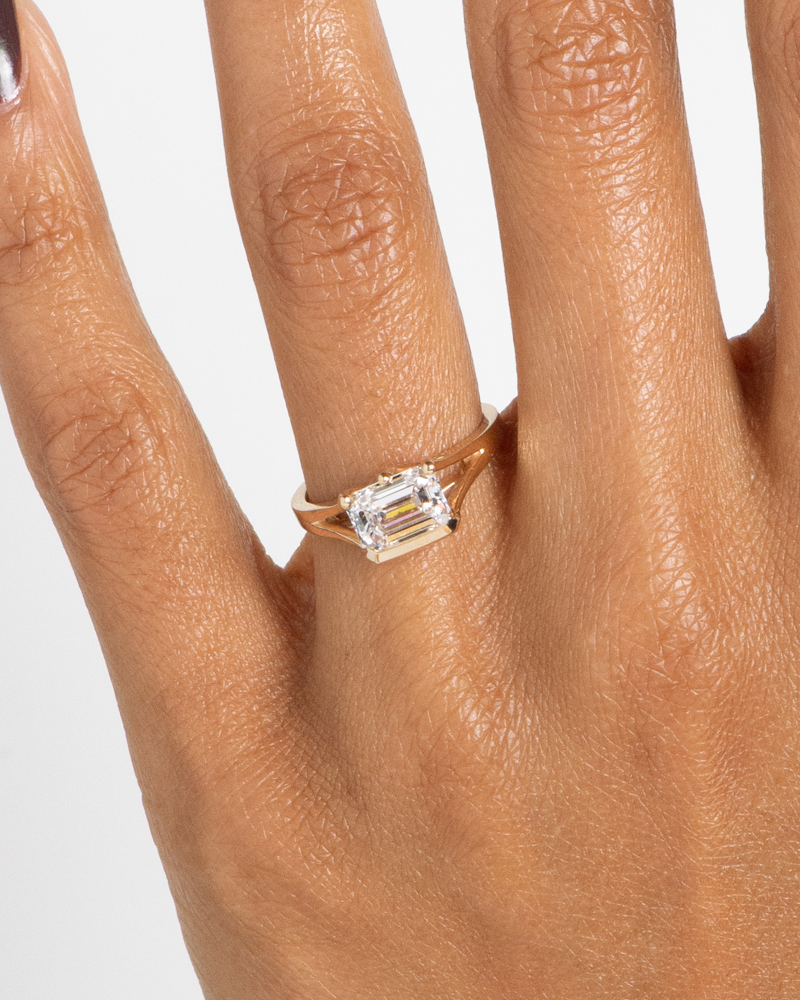
So, you’ve been scrolling, pinning, or maybe wandering through jewelry stores. And suddenly—you’re staring at lab grown diamond rings platinum vs gold pops up as the big debate. Which one’s better? Which one’s “you”?
Honestly, it’s not a boring decision. This is jewellery we’re talking about. It’s a mix of science, style, and a little bit of forever.
A Little Background (with opinions sprinkled in)
Here’s the thing. Lab grown diamonds are not “fake.” They’re chemically identical to mined diamonds, but grown in controlled environments. Think high-tech, not knock-off.
And here’s a twist most people don’t realize: they’re often more affordable, more ethical, and—let’s be honest—way less stressful to buy.
Now imagine this: you’re about to propose (or treat yourself). You want something meaningful, but you also don’t want to carry a lifetime of guilt about where your diamond came from. Lab grown diamonds suddenly feel like the smart, heart-friendly choice.
But once you’ve settled on the diamond, the next question hits you. Platinum or gold? That’s where the story really starts.
Platinum vs Gold – The Options & Trends
Jewelry trends come and go, but some choices stick around forever. Let’s break it down, no fluff:
Platinum
Hypoallergenic (so if your skin’s sensitive, it’s a safe bet).
Stronger and denser, so it feels weightier on your hand.
Naturally white—doesn’t fade or need re-plating.
But… more expensive upfront.
Gold (White, Yellow, or Rose)
Classic. Everyone has a gold story—grandma’s wedding ring, dad’s old chain.
White gold looks like platinum but needs rhodium re-plating to stay bright.
Yellow gold? Warm, vintage, timeless.
Rose gold? Trendy, romantic, Instagram-approved.
Lighter on the wallet compared to platinum.
Think about it: do you want your ring to feel luxe and solid, like platinum? Or do you want the warmth and variety of gold?
Right now, we’re seeing a big swing toward rose gold lab grown diamond rings—probably because they feel personal, a little different. But platinum is still the go-to for “classic elegance.”
Local Angle – Why Here, Why Now
Jewelry isn’t just global. It’s personal. And sometimes, it’s local.
In big cities like Hong Kong, London, or New York, lab grown diamonds are taking off fast. Why? People are more conscious of sustainability, but they also want something unique. And let’s face it, you don’t want the exact same ring as five other people at the office.
I once overheard a jeweler say, “Customers don’t just ask about the stone anymore. They ask, ‘Where does it come from? What does it mean?’” That’s a huge shift.
And honestly? It makes the whole platinum vs gold decision even more interesting. Because the metal you choose isn’t just about look—it’s about identity.
How It Works (without the boring lecture)
Here’s the fun part. How does a lab grown diamond actually land in a platinum or gold ring? It’s not magic, but it’s close.
The Diamond is Born – A tiny carbon seed goes into a chamber. Scientists mimic the same heat and pressure that happens underground. Weeks later? A diamond crystal forms. Real, sparkly, stunning.
Cut and Polish – Just like mined diamonds, experts cut facets, polish them, and reveal that “wow” shine.
Metal Choice – You pick platinum or gold. A jeweler crafts the band, making sure it fits your stone perfectly.
Setting the Stone – This is where art meets science. The diamond gets nestled into the band, held securely, ready to be shown off.
Final Touches – Buffing, checking, maybe a little resizing. And suddenly—boom. You’ve got your forever ring.
Not too complicated, but it’s wild to think that your diamond started in a lab, not the Earth’s crust.
Conclusion
At the end of the day, lab grown diamond rings (platinum vs gold) aren’t just about sparkle. They’re about choices. About your story. Do you lean toward the sleek weight of platinum? Or the warmth and versatility of gold?
Whichever way you go, here’s the truth: the diamond will shine the same. The only real difference? How it feels when it’s on your hand. And that—let’s be honest—is what really matters.