


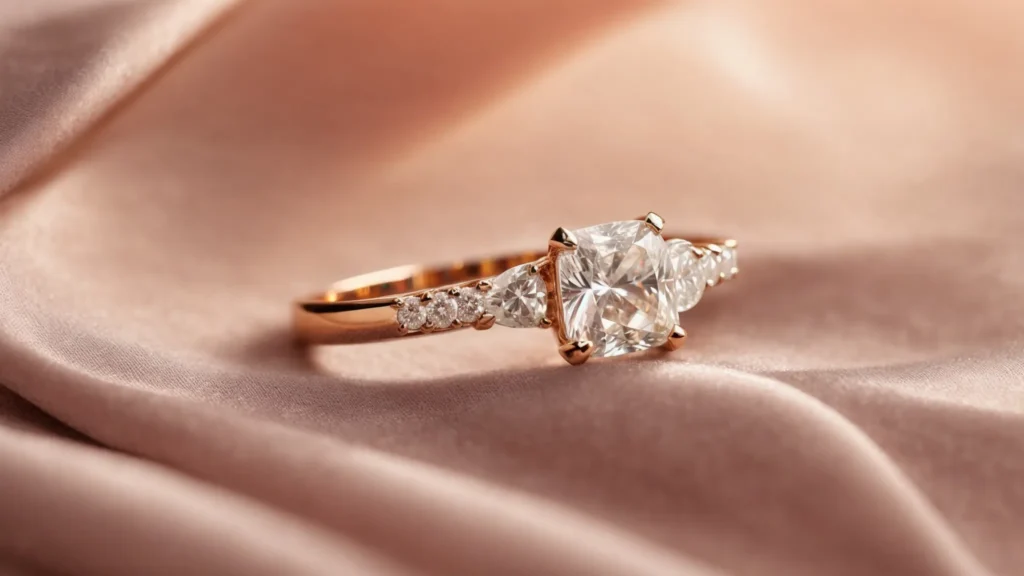
Understanding Lab Diamonds
Created in labs, these stones are genuine diamonds formed without mining. Just like their earth-grown counterparts, they match in structure and makeup. Identical brilliance, strength, and transparency come through every facet. Production method sets them apart – along with cost. Price reflects origin, nothing else. Folks after something earth-friendly might find lab diamonds fit just right. Pick any cut or carat you like – no digging required. Starting fresh down here makes sense too.
Lab Diamonds Versus Natural Diamonds
A single atom arrangement defines both mens engagement rings and those pulled from the earth. Though built from carbon in matching patterns, their paths split sharply. One kind costs less, leaves a lighter mark on nature, begins life underground. The other forms in machines over weeks, skips digging, carries different roots.
- Pricewise, lab stones often sit 20 to 40 percent under natural ones that match in size and grade. Yet they shine just as bright without digging up the earth.
- No digging required. That cuts down on harm to nature. Conflict diamond worries disappear too.
- Labs make it simpler to grow big or unusual diamonds compared to what nature provides.
A single-carat lab diamond might sell for much lower yet look exactly like a mined stone with matching quality. One big reason? It’s grown in weeks, not pulled from deep underground after billions of years.
Selecting a Lab Grown Diamond
A lab diamond needs careful thought, just like one pulled from the earth. Think about its shape first – how it catches light matters most. Color plays a role too; some sparkle looks warmer, others cooler. Flaws might hide inside, so check how clear it seems. Size counts, though bigger does not always mean better. Each trait shapes what you see when held up to daylight.
- A sparkle depends on the shape’s precision. Pick one that fits how you like things to look.
- Starting at D, lab diamonds range toward Z, where hints of yellow or brown appear. Near the middle, shades slip into near-colorless territory – this is what most people pick without thinking too hard. Looks matter more than labels here, so eyes drift naturally to those clearer tones. Few go extreme; instead, they settle just shy of perfect.
- Faults might show up less often in lab diamonds. Their creation happens under supervision. Spotting flaws? That depends on how well they were made.
- Start by thinking about what feels right for your wallet plus how you like to wear things. Size matters, yet it should match both comfort and cost without stretching limits.
Finding different forms – say, circular, square-cut, stepped, or egg-like – opens new looks. How light dances inside changes with each one, altering its place within a band.
Lab Diamonds in Men’s Engagement Rings
Starting with clean lines, men’s engagement rings usually skip flashy details yet hold strong on toughness and craftsmanship. A lab-grown stone fits well here – offers the sparkle minus the steep cost jump. Metal matters just as much; think about how it wears over time
- Priced high though it resists wear well. Holds up around sensitive skin without issue.
- Pretty on a budget, white gold shines well – yet needs touch-ups now and then. Maintenance sneaks in between wears, though flair stays sharp.
- A soft glow comes through with yellow or rose gold, bringing timeless appeal. Warm shades stand out naturally, giving depth without effort. Classic never feels forced here – just steady, quiet charm.
- Tungsten or titanium – light yet strong, built for constant motion. These materials handle daily wear without slowing you down.
A single lab diamond set into a tungsten band brings shine without sacrificing toughness, yet still keeps price low.
Lab Diamonds Offer Ethical Sourcing Lower Costs And Reduced Environmental Impact
For starters, lab diamonds offer benefits that go past just saving money.
- Fewer scars on the land happen because these methods dig less than old-style extraction. Instead of tearing up earth, they slip through with lighter touch.
- Labs shape colors and shapes that nature skips. Uncommon shades appear where real conditions fail. Size shifts happen without waiting for rare growth. Created tones show up fast, no seasons needed. Odd dimensions form on schedule, not by chance.
- From mine to market, a diamond’s journey shows every step clearly. Where it came from becomes visible through careful records. Each phase of creation leaves a mark you can follow. Knowing how it was shaped comes straight from documented work. The path it took stays open to inspection at any point.
- A bigger stone fits your price range when you choose this option. Instead of settling, get more sparkle without spending extra. Size goes up, quality jumps – both happen under one limit. Pick what matters most, yet keep everything balanced. The cut shines brighter, even if numbers stay the same.
Beyond just looking good, lab stones draw interest by mixing responsible choices with sharp design. What stands out is how they hold their own on quality while feeling right ethically. Style slips in quietly, yet matters just as much.
Maintaining Your Lab Diamond Ring
Though lab diamonds hold up well over time, they can still get scratched without proper handling. A little attention goes a long way in keeping them looking sharp.
- Rinse gently after wiping with soapy foam. A toothbrush works fine when damp.
- Start by looking at how things are set up. Make sure the stone does not loosen from where it sits. A solid hold matters most when fastened in place.
- Steer clear of strong cleaners – certain substances might harm the ring’s metal surface. Ring materials react poorly when exposed to aggressive ingredients found in some products. The wrong solution could leave lasting marks on its finish. Gentle care keeps shine without risking breakdown over time.
- Apart from where you usually keep jewelry, set this piece aside. Inside its own case it stays safe from scrapes.
A little attention every now and then makes all the difference over time. What you do today shapes how bright it stays down the road.
FAQs
Are lab diamonds real diamonds?
A single fact stands clear: lab diamonds match mined ones right down to their atoms. Their structure? Identical in every test. Created without digging into earth, they form inside controlled spaces. One comes from deep ground, the other from precise science – both sparkle just the same.
Are lab diamonds cheaper than natural diamonds?
Folks usually pay 20 to 40 percent less for lab diamonds compared to natural ones that match in size and quality.
Can lab diamonds be used in mens engagement rings?
Fine jewelry often features lab diamonds because they hold up over time while looking sharp. Different settings showcase them nicely, whether sleek or bold. Cost stays low compared to mined stones, even in gold or platinum setups.