


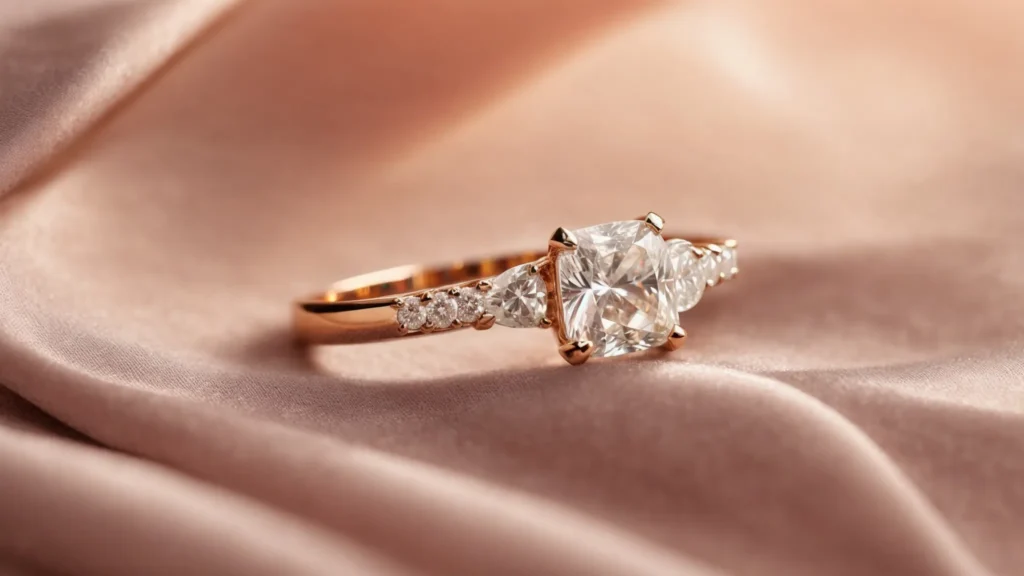


Wedding rings are far more than a piece of jewelry. They represent a deep commitment, a universal symbol of unity, and a tradition rooted in thousands of years of history. While styles, materials, and cultural interpretations have evolved, the meaning behind the rings remains timeless. Today, in a world where sustainability, personalization, and innovative technology shape purchasing decisions, wedding rings are undergoing a fascinating transformation—one that blends heritage with modern sensibilities.
This article explores the origins of wedding rings, current trends, the variety of materials available, and practical guidance on choosing the perfect ring. You’ll also learn how contemporary options such as anillos de matrimonio have become meaningful alternatives for today’s couples seeking beauty, ethics, and value.
A Brief History of Wedding Rings
The tradition of exchanging wedding rings dates back to ancient Egypt, where circular bands symbolized eternity. Egyptians believed the “ring finger” of the left hand contained the vena amoris—the vein of love—that connected directly to the heart. Although science later disproved the anatomical claim, the romantic symbolism endured and spread across civilizations.
In ancient Rome, wedding rings were typically made from iron, representing strength and permanence. As time passed, gold became the preferred material due to its resistance to corrosion and its enduring shine. By the Middle Ages, rings incorporated more intricate designs, often featuring gemstones and elaborate engravings.
In the 20th century, cultural influences and advertising campaigns elevated the diamond as the quintessential stone for engagement rings and, increasingly, wedding bands. Today, while tradition still holds strong, couples embrace far more diverse, personalized, and inclusive interpretations of this meaningful symbol.
Modern Trends: Between Tradition and Innovation
The current wedding ring market is more dynamic than ever. Couples can choose from minimalist designs, vintage-inspired pieces, ethically sourced materials, high-tech gems, and custom-made works of art. The key trend today is personalization—expressing identity, values, and style through a small but significant piece of jewelry.
1. Elevated Minimalism
Minimalist wedding rings emphasize clean lines, subtle details, and refined elegance. These rings are often crafted from white gold, platinum, yellow gold, or titanium. Their simplicity appeals to couples who appreciate timeless design with a modern feel.
2. Ethical Diamonds and Sustainable Choices
Conscious consumerism has reshaped the jewelry world. More couples want to know the origin of their materials and choose options that align with environmental and social values. This has led to a surge in interest in alternatives such as moissanite, recycled metals, and especially lab created diamonds. These lab-grown stones have the same chemical structure, brilliance, and durability as mined diamonds but avoid the environmental cost and ethical concerns associated with traditional diamond mining. Their accessibility and transparency make them a compelling choice for modern couples.
3. Unique Custom Designs
Customization is one of the strongest trends today. Many couples opt to co-design their rings, adding elements that hold personal meaning—such as engraved dates or phrases, unconventional shapes, or stones representing their shared story. Custom rings turn a symbolic object into a one-of-a-kind personal treasure.
4. Mixed Metals and Vintage Influence
Blending different metals—such as rose gold with platinum or white and yellow gold—has become increasingly popular, offering contrast and character without feeling overly bold. At the same time, vintage-inspired designs continue to thrive. Styles reminiscent of the Art Deco era or Victorian motifs capture a romantic aesthetic with beautifully crafted details that stand out in any era.
Natural Diamonds vs. Lab-Grown Diamonds: What to Know
When selecting a wedding ring, one of the biggest decisions involves the type of gemstone. Although natural diamonds have long been the traditional choice, alternatives have become more attractive thanks to technological advancements and shifting values.
Lab created diamonds, in particular, have gained significant momentum. They are grown under controlled scientific conditions that replicate the natural formation of diamonds deep within the earth. As a result, they share the same physical, chemical, and visual characteristics as mined diamonds. The main differences lie in cost, sustainability, and supply ethics.
Advantages of lab created diamonds include:
- More sustainable production, avoiding mining impact
- Lower cost, often 20–40% less than natural diamonds of comparable quality
- Guaranteed conflict-free origin
- Better traceability and transparency
Because of these benefits, many couples see lab-grown diamonds as a way to enjoy luxury and symbolism without compromising their principles or budget.
Popular Materials for Wedding Rings
In addition to gemstone choices, couples must also consider the metal of the ring. Each material has its own symbolism, durability, and aesthetic appeal.
Gold
Gold remains the most traditional metal for wedding rings. It is available in several color variations:
- Yellow gold – warm, classic, and timeless
- White gold – sleek and modern
- Rose gold – romantic and trendy
Gold’s ability to be shaped into almost any design makes it an extremely versatile option.
Platinum
Platinum is prized for its purity, durability, and naturally white luster. It is significantly denser than gold and hypoallergenic, making it ideal for those with sensitive skin. Platinum is particularly popular in rings featuring natural or lab created diamonds due to its strength and reflective qualities.
Titanium and Tungsten
These contemporary metals appeal to couples looking for strong, lightweight, and scratch-resistant materials. Titanium, in particular, offers a sleek and modern look without the weight of traditional metals.
Palladium
A luxurious yet lighter alternative to platinum, palladium provides a similar sheen and durability while typically being more affordable.
How to Choose the Perfect Wedding Ring
Selecting the ideal ring involves balancing personal style, comfort, lifestyle, and symbolism. Below are key factors to consider:
1. Lifestyle and Daily Wear
Those with active lifestyles may prefer sturdier metals like platinum or tungsten. If the ring will be worn daily during activities like manual work, exercise, or outdoor hobbies, durability becomes especially important.
2. Personal Style
Some gravitate toward minimalist looks, while others love intricate designs. Trying on different shapes, widths, and finishes can help identify what feels right.
3. Budget
Wedding rings vary widely in price depending on materials, craftsmanship, and whether gemstones are used. Thanks to options like lab created diamonds, couples can enjoy exceptional beauty without exceeding their budget.
4. Symbolism
Engravings, unique stones, or heirloom elements can add emotional value beyond aesthetics.
Conclusion: A Timeless Symbol Reinvented
Wedding rings are enduring symbols of love, commitment, and unity. Yet as society evolves, so do the materials and choices available to couples. From minimalist designs to vintage-inspired rings, sustainable metals, and innovative options such as lab created diamonds, today’s wedding rings empower couples to express not only their love but also their values.
Whether classic or contemporary, simple or detailed, the perfect wedding ring is the one that reflects your shared story—and accompanies you faithfully through every chapter of your life together.